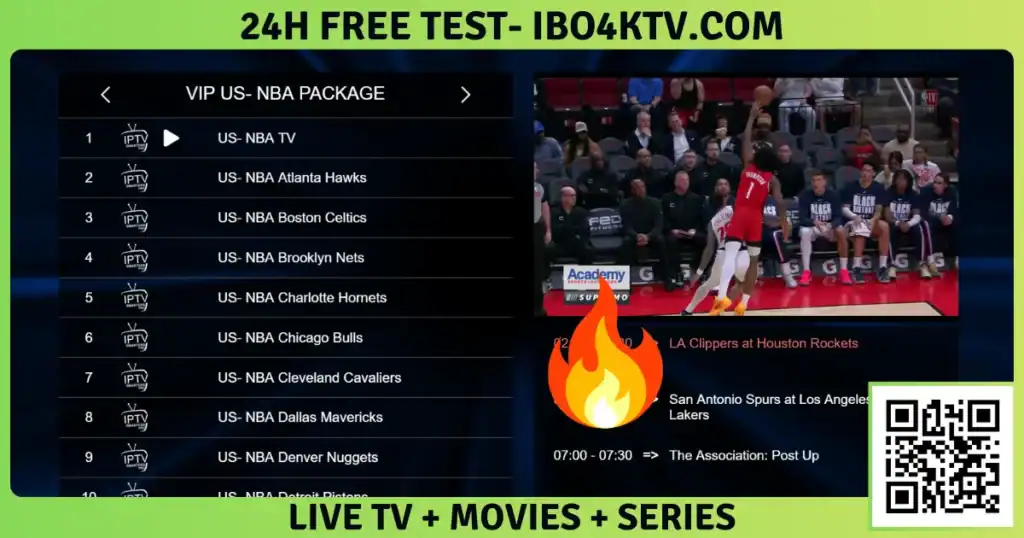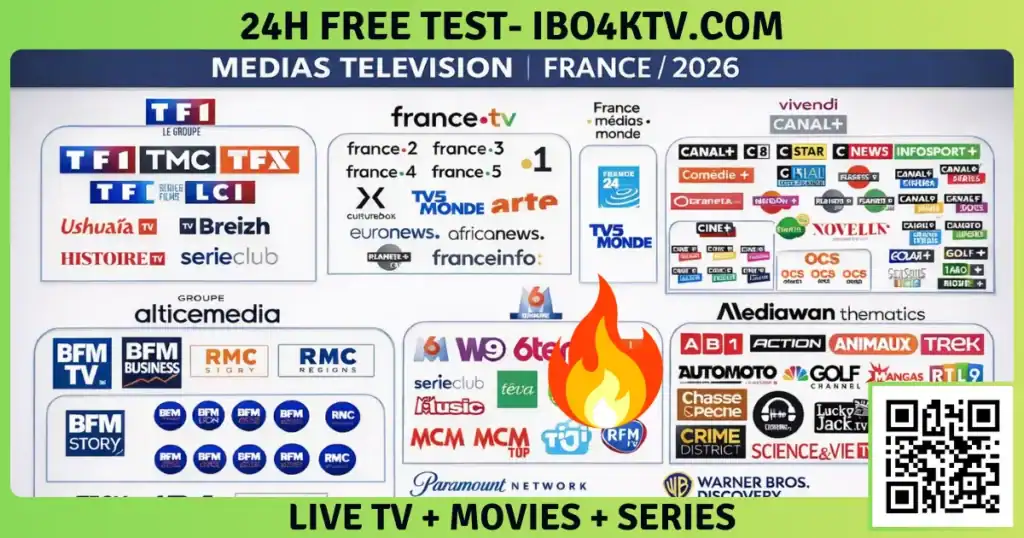
Television technology has evolved dramatically over the past two decades. While cable and satellite dominated for years, IPTV (Internet Protocol Television) has emerged as the modern way to watch television. If you’ve ever wondered what IPTV is, how it works, and why it’s becoming so popular, this comprehensive guide explains everything you need to know.
What is IPTV?
IPTV stands for Internet Protocol Television. Simply put, it’s the delivery of television content over the internet rather than through traditional cable, satellite, or terrestrial broadcast methods.
How Traditional TV Works
Traditional television relies on:
- Broadcast TV: Signals transmitted through the air to antennas
- Cable TV: Signals sent through coaxial cables to your home
- Satellite TV: Signals beamed from satellites to dish receivers
All these methods deliver content in real-time through dedicated infrastructure.
How IPTV Works
IPTV delivers television programming via:
- Your existing internet connection
- Standard networking protocols (IP – Internet Protocol)
- Various devices with internet connectivity
- Streaming technology similar to other online video
Types of IPTV Services
1. Live Television
Real-time streaming of TV channels as they broadcast:
- News channels broadcasting 24/7
- Sports events happening live
- Entertainment programming on schedule
- Identical experience to traditional TV but delivered via internet
2. Video on Demand (VOD)
Content available to watch whenever you choose:
- Movie libraries
- TV series and episodes
- Documentaries and specials
- User-controlled playback (pause, rewind, fast-forward)
3. Time-Shifted TV
Watch programs after they aired:
- Catch-up TV services
- DVR-like functionality
- Watch shows from earlier in the day or week
- Pause and resume live programming
4. TV on Demand (TVOD)
Pay-per-view content:
- Special events
- New movie releases
- Exclusive programming
- One-time purchase or rental
IPTV vs. Traditional TV: Key Differences
Delivery Method
- Traditional: Dedicated infrastructure (cables, satellites, antennas)
- IPTV: Shared internet connection used for multiple purposes
Content Selection
- Traditional: Limited by package offerings and schedule
- IPTV: Vast libraries and channels from anywhere globally
Interactivity
- Traditional: One-way broadcast
- IPTV: Two-way communication enabling interactivity
Device Flexibility
- Traditional: Specific receivers and cable boxes
- IPTV: Any internet-connected device
Geographic Limitations
- Traditional: Regional restrictions based on physical infrastructure
- IPTV: Global content access (subject to licensing)
How IPTV Technology Works
The Basic Process
1. Content Preparation
- TV signals are captured from broadcasters
- Content is converted to digital format
- Video is encoded and compressed
2. Content Storage
- Stored on servers (for VOD content)
- Streamed directly (for live content)
- Organized in content delivery networks
3. Content Delivery
- Requested content is sent over internet
- Data packets transmitted using IP protocol
- Adaptive streaming adjusts quality based on connection
4. Content Playback
- Device receives and buffers data
- Video player decodes stream
- Content displays on screen
Technical Components
Set-Top Box (STB)
- Decodes IPTV signals
- Connects to TV and internet
- Provides user interface
- May offer additional features (recording, etc.)
Middleware
- Software managing user experience
- Handles authentication and billing
- Organizes content presentation
- Enables interactive features
Content Delivery Network (CDN)
- Distributed server system
- Reduces latency
- Improves streaming quality
- Handles high traffic loads
Advantages of IPTV
For Viewers
Better Picture Quality
- HD and 4K streaming commonly available
- Quality scales with internet speed
- Less compression than cable/satellite
- Consistent quality without weather interference
Flexibility and Convenience
- Watch on any device
- View from anywhere with internet
- Pause, rewind, and replay live TV
- Create personalized viewing experiences
Cost Savings
- Often cheaper than cable/satellite
- Pay only for desired content
- No installation fees typical of cable
- Reduce or eliminate equipment rental costs
Content Variety
- Access international channels
- Niche content and specialized programming
- Massive on-demand libraries
- Content not available through traditional providers
Multi-Device Support
- Smartphones and tablets
- Computers and laptops
- Smart TVs
- Streaming devices
For Content Providers
Lower Distribution Costs
- No physical infrastructure required
- Leverage existing internet networks
- Easier international distribution
- Reduced operational expenses
Better Analytics
- Track viewing habits
- Understand audience preferences
- Personalize recommendations
- Improve content offerings
Direct Relationship with Viewers
- Bypass cable/satellite middlemen
- Direct billing and subscriptions
- Better customer service potential
- More control over user experience
Internet Requirements for IPTV
Minimum Speeds
Quality depends on internet speed:
- SD Quality (480p): 3-4 Mbps
- HD Quality (720p/1080p): 5-10 Mbps
- Full HD (1080p): 8-15 Mbps
- 4K/UHD: 25+ Mbps
Multiple Streams
Account for household usage:
- Add bandwidth for each simultaneous stream
- Other internet activities consume bandwidth
- Smart home devices use connection
- Build in overhead for stable experience
Connection Quality
Speed isn’t everything:
- Low latency important for live content
- Stable connection prevents buffering
- Ethernet often better than Wi-Fi
- Quality of service settings can help
Types of IPTV Services
Free IPTV Services
Open access streaming:
- Publicly available streams
- Aggregated channels from various sources
- No subscription required
- Ad-supported or completely free
Pros:
- Zero cost
- No commitment
- Wide variety
- Easy to try
Cons:
- Quality can vary
- Fewer guarantees of uptime
- Limited customer support
- Potential legal gray areas
Subscription IPTV Services
Paid professional services like www.ibo4ktv.com
- Curated channel packages
- Reliable streaming quality
- Customer support
- Legal, licensed content
Pros:
- Consistent quality
- Legal and legitimate
- Support available
- Additional features (DVR, etc.)
Cons:
- Monthly costs
- Potential contracts
- Geographic restrictions
- Possible content limitations
Hybrid Services
Combining models:
- Free basic tier with ads
- Premium subscription for more content
- Mix of free and paid channels
- Freemium business model
IPTV Devices and Platforms
Smart TVs
Built-in IPTV capability:
- No additional hardware needed
- Native apps for services
- Simple remote control
- Integrated experience
Streaming Devices
Dedicated IPTV hardware:
- Roku, Amazon Fire TV, Apple TV
- Google Chromecast
- Android TV boxes
- Specialized IPTV boxes
Computers and Laptops
Full-featured IPTV access:
- Any web browser works
- Most flexible option
- Can connect to TVs
- Full keyboard and mouse control
Mobile Devices
IPTV on the go:
- Smartphones and tablets
- Native apps available
- Watch anywhere with data/Wi-Fi
- Screen casting to TVs
Gaming Consoles
Alternative IPTV platforms:
- PlayStation and Xbox support apps
- Already connected to TV
- Good for occasional viewing
- Limited compared to dedicated devices
Legal Considerations
Legitimate IPTV
Legal services typically:
- Have proper broadcasting licenses
- Pay content creators and rights holders
- Operate transparently with terms of service
- Provide customer support
Copyright and Licensing
Understanding rights:
- Content ownership remains with creators
- Distribution requires proper licensing
- Geographic restrictions may apply
- Violations can have consequences
How to Identify Legitimate Services
Look for:
- Clear company information
- Transparent pricing
- Proper licensing disclosures
- Professional presentation
- Established reputation
The Future of IPTV
Emerging Trends
Improved Quality
- 8K streaming on horizon
- HDR and enhanced color
- Higher frame rates
- Better compression technology
Enhanced Interactivity
- Social viewing features
- Interactive content
- Gaming integration
- Augmented reality elements
Artificial Intelligence
- Smarter content recommendations
- Automated quality adjustment
- Personalized advertising
- Enhanced search and discovery
5G Integration
- Mobile IPTV improvement
- Lower latency
- Better outdoor streaming
- Expanded accessibility
Market Predictions
Growing Adoption IPTV continues to gain market share:
- Cable subscriptions declining
- More content moving to streaming
- Younger generations prefer IPTV
- Global expansion accelerating
Industry Consolidation Expect changes in the landscape:
- Mergers and acquisitions
- Platform standardization
- Competition driving innovation
- Price pressures on traditional TV
Getting Started with IPTV
Step 1: Assess Your Needs
Consider:
- What content do you watch?
- How many simultaneous streams needed?
- What’s your internet speed?
- Which devices will you use?
Step 2: Test Your Internet
Verify:
- Current connection speed
- Stability during peak hours
- Coverage throughout home
- Upgrade if necessary
Step 3: Choose a Service
Decide between:
- Free IPTV platforms for testing
- Subscription services for reliability
- Mix of both for flexibility
Step 4: Select Devices
Pick what works for you:
- Use existing smart TV
- Add streaming device
- Try mobile first
- Upgrade as needed
Step 5: Start Watching
Begin your IPTV journey:
- Start with free options
- Explore available content
- Test different services
- Adjust setup as needed
Conclusion
IPTV represents the future of television consumption. By delivering content over the internet rather than through dedicated television infrastructure, IPTV offers unprecedented flexibility, variety, and often significant cost savings compared to traditional cable or satellite services.
Whether through free platforms that aggregate publicly available channels or premium subscription services that provide curated content, IPTV gives viewers control over what, when, and how they watch television. As internet speeds continue to improve globally and more content creators embrace direct-to-consumer distribution, IPTV will only become more capable and popular.
Understanding IPTV technology empowers you to make informed decisions about your television viewing. The barriers to entry are low, with free options available to start exploring immediately. As you become more familiar with IPTV’s capabilities, you can customize your setup to perfectly match your viewing preferences and budget.
The transition from traditional television to IPTV is not just about saving money—it’s about embracing a more flexible, personalized, and modern way to consume video content. Start your IPTV journey today and discover why millions have already made the switch.
Keywords: what is IPTV, internet protocol television, IPTV explained, how IPTV works, IPTV vs cable, IPTV streaming, free IPTV, IPTV technology, internet TV, IPTV guide 2026